
Scroll

Exhibition
Celebrating 50 Years of Metro: Explore the Exhibition
A look back (and ahead) at America’s Metro System.
Step inside Metro’s 50th anniversary exhibition and explore the history, people, and innovation behind one of the nation’s most recognizable transit systems.
The first regular transit service in the Washington area began in 1848.
Horse-drawn stagecoach-type vehicles began operating between Georgetown and the Navy Yard via Pennsylvania Avenue and Capitol Hill.
Metro's Northern Bus Garage was built in 1906 and opened in 1907.
The current reconstruction project connects more than 100 years of transit history in the National Capital Region while turning the facility into a state-of-the-art garage for a 100% zero-emission fleet.
Plans for Metro go back nearly 75 years.
In 1952, Congress passed the National Planning Act, which President Harry S. Truman signed into law. The act required plans for moving people and goods in the region.
DC’s century-long streetcar era ended in 1962.
The change marked the end of trolley service on the 14th Street and U Street lines as buses replaced streetcars across the city.
Metro was born from an interstate compact in 1967.
The compact created a public authority responsible to, and representative of, the District of Columbia, Virginia and Maryland.
Metro Bus was created by buying out four private companies.
In 1973, WMATA bought D.C. Transit Inc., WV&M Coach Co., AB&W Transit Co. and WMA Transit Co. to create the Metro Bus system.
Metro’s design was inspired by the best elements of transit around the world.
In 1966, at President Lyndon B. Johnson’s direction, Metro architects took a six-week tour of 16 cities in Europe and Asia to incorporate global best practices into the system’s design.
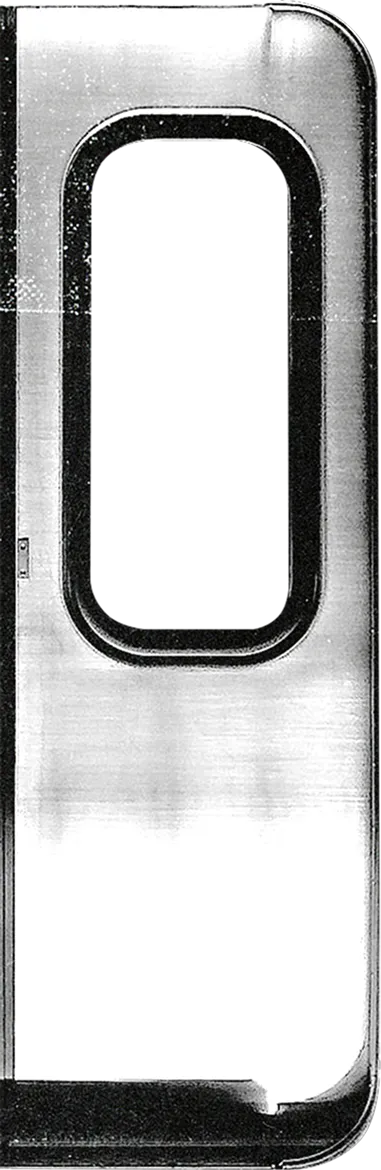
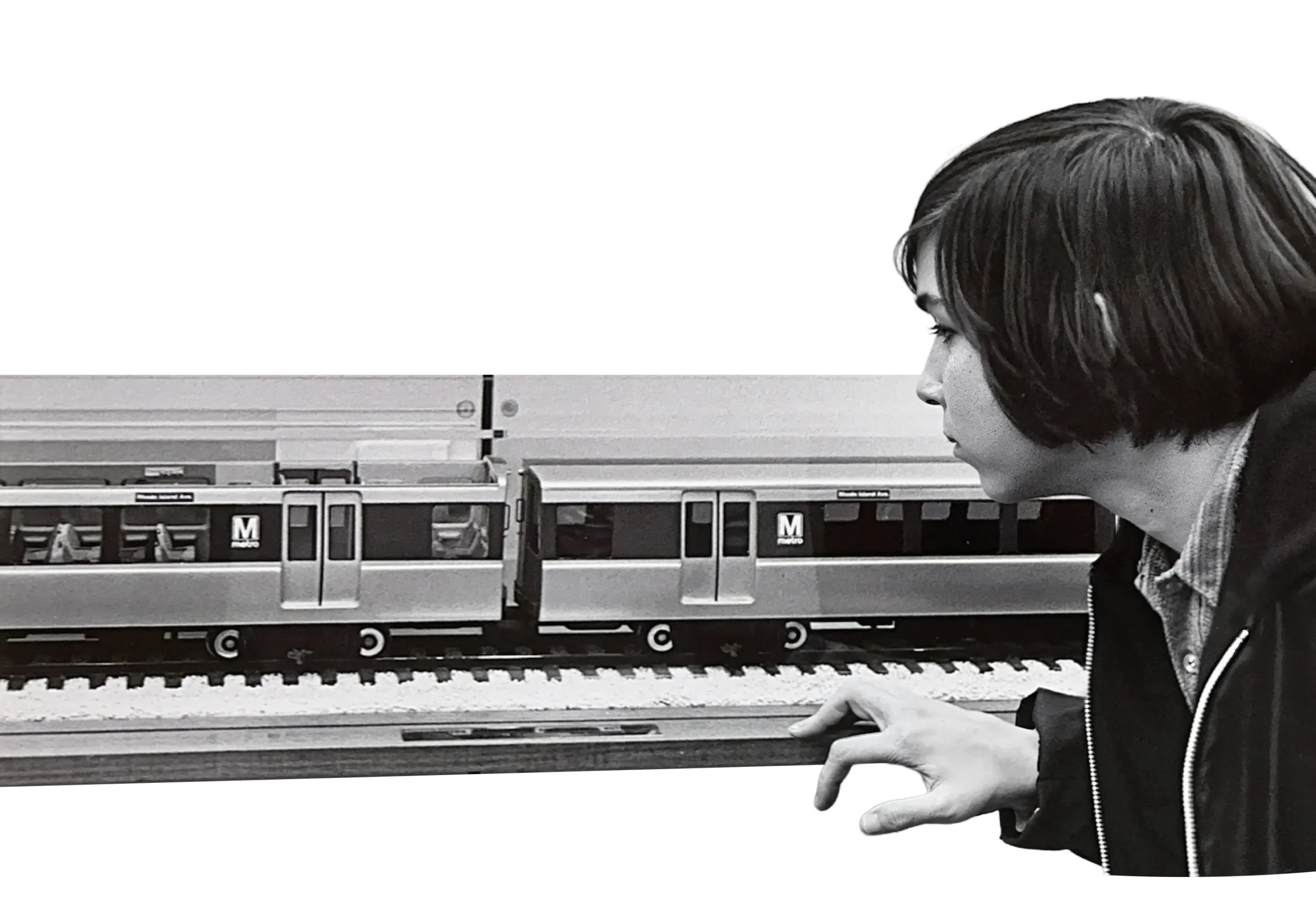
Metro’s trains were originally going to be glossy red.
Inspired by the London Underground, but cost concerns led to the now-familiar unpainted aluminum with brown trim.
Metro’s vaulted ceilings are designed to muffle sound.
The concrete design helps control acoustics and improve sound clarity underground.
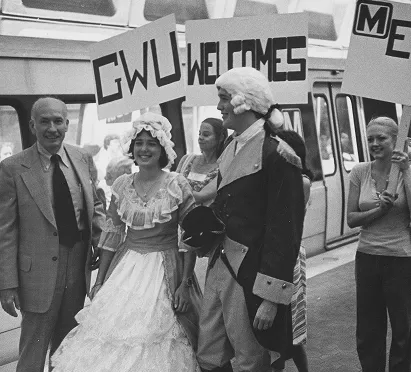
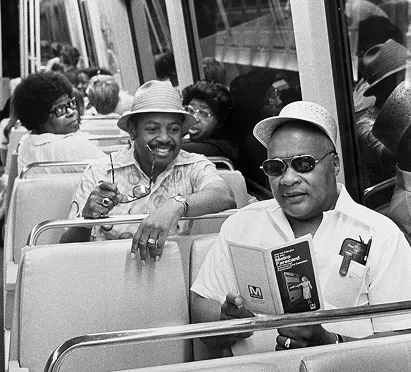
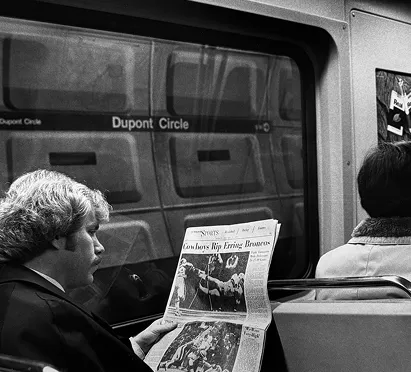
Metro’s first revenue trains ran March 27, 1976.
The first service operated on the Red Line between Rhode Island Avenue and Farragut North.
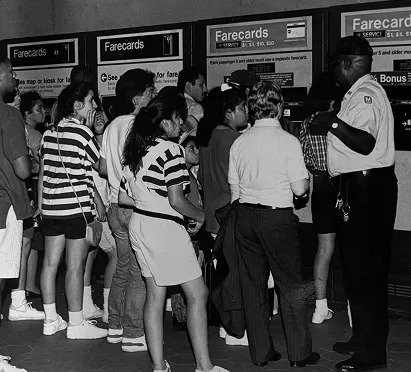
When Metro Rail first opened in 1976, there were no faregates.
Customers dropped exact change, 40 cents to 55 cents during rush hour, into fareboxes on either side of the kiosk. Paper fare cards and entrance gates arrived in 1977.
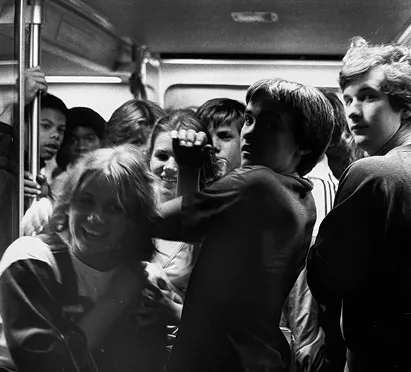
During Metro’s first several weeks, passenger counts were three times higher than projected.
Metro initially carried about 25,000 riders a day. By the end of the fifth week, more than 600,000 passengers had ridden the system.
Metro trains can travel up to 75 mph.
The system’s quarter-mile steel rails are welded together and cushioned to reduce noise and vibration, which is why riders do not hear the familiar clickety-clack.
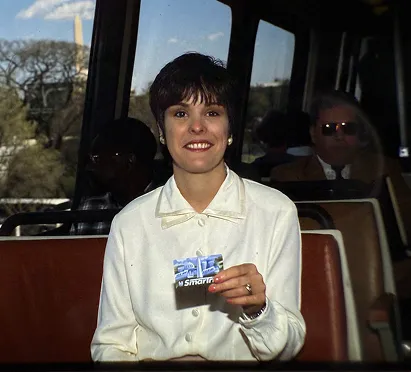
WMATA introduced Smart Trip cards in 1999.
The original SmarTrip cards could be programmed with up to $180 in fare value.
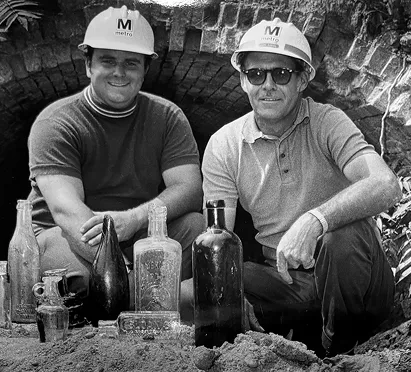
Construction of the original system was completed Jan. 13, 2001.
The project was completed with the opening of the final five Green Line stations in Prince George’s County, Maryland.
On 9/11, Metro helped evacuate the capital, supported first responders, and kept D.C. connected.
WMATA buses transported the injured from the Pentagon to hospitals and helped D.C. police move personnel during the response.
We are the second busiest rapid rail system in the United States.
With six rail lines, 98 stations, 126 bus routes and door-to-door paratransit service, Metro served 268.9 million trips in 2025.
More than 70% of the region’s 1.7 million jobs are within walking distance of a station or bus stop.
From anywhere in the region, the average person can reach more than 250,000 jobs within a one-hour train or bus ride.
Metro was named the best large transit agency in the country.
The American Public Transportation Association named Metro its 2025 Transit Agency of the Year.
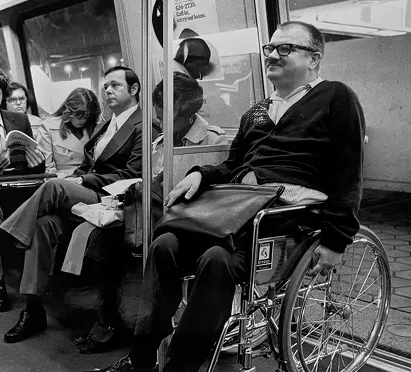
Metro has the most elevators and escalators of any transit system in North America.
Metro has 320 elevators and 647 escalators. Wheaton Station’s 230-foot escalator is the longest in the Western Hemisphere.
Over the years, Metro has issued over 140 special edition fare and Smart Trip cards.
The cards have marked major events, anniversaries, holidays and regional celebrations across Metro’s history.
New 8000-series railcars are being built right here in the region.
Hitachi is building the new cars at a factory in Hagerstown, Maryland. The cars feature open passageways, dynamic maps and regenerative braking.
Metro shattered its all-time ridership record on Obama’s Inauguration Day.
Metro recorded 1,544,721 trips that day, including about 1.12 million rail trips, 423,000 bus trips and 1,721 Metro Access trips.
Metro is 20 times safer than driving.
Transit helps the region avoid about 30 deaths, more than 2,500 injuries and nearly $950 million in crash costs each year.
Households that ride transit instead of driving save about $10,500 per year.
The annual cost of owning a car is about $12,000, compared with roughly $1,500 to ride Metro.
When storms delayed Beyoncé’s 2023 FedEx Field concert, Metro stayed open an extra hour.
Despite the delay and large crowds, Metro helped customers get home safely.
Metro Rail crossed the one-million-trip threshold for the first time Jan. 20, 2009.
Rail trips alone (1,120,000) blew past the previous record of 866,681 — set just the day before during inaugural weekend events.
Transit helps the region avoid $2 billion in parking costs.
Without Metro, the region would need a five-story parking garage the size of the National Mall.
The record for visiting all 98 Metro stations is 8 hours, 53 minutes, 10 seconds.
Charles Nemecek set the record Jan. 2, 2024, in DC to bring attention to the system.
Transit avoids 1.2 million metric tons of greenhouse gas emissions each year.
That is equivalent to every household in Arlington County going energy-free for a year.
More than 40 Metro stations feature public art.
As of 2026, 44 Metro Rail stations have featured temporary or permanent public art installations.
Without transit, the region would need 1,300 miles of new highway lanes.
Transit saves commuters 20 to 30 minutes per rush-hour trip on corridors such as I-66, I-95 and New York Avenue.
Metro Rail customer satisfaction hit 92%, the highest mark in Metro history.
Customers credited more frequent service, better reliability and stronger feelings of safety on board.
In 2022, Metro formed a partnership with the Autism Transit Project.
The partnership highlights the special bond children with autism often have with mass transit systems.
One system, 850,000 daily trips.
Across rail, bus, and paratransit, Metro supports roughly 850,000 trips every day, and is working toward 1 million daily customers. It operates one of the largest fleets in the country.
Metro employs over 13,000 people.
It’s one of the largest employers in the region—powering both transit and workforce development.
Metro is designing for world-class service.
The goal is faster, safer and more frequent service that competes with global transit leaders.
In February 2026, Metro honored Rosa Parks on her birthday by reserving a seat in her honor on every bus and train.
The signs recognized Parks’ refusal to give up her seat on a Montgomery, Alabama, bus in 1955 — an act of courage that helped advance the civil rights movement.
Metro is investing $17.3 billion to modernize and grow the system.
The capital pipeline will help modernize and expand the system over the next decade.
Metro delivers more than 264 million trips a year.
In FY25, Metro moved hundreds of millions of passengers across rail, bus and paratransit.